 SilencerScout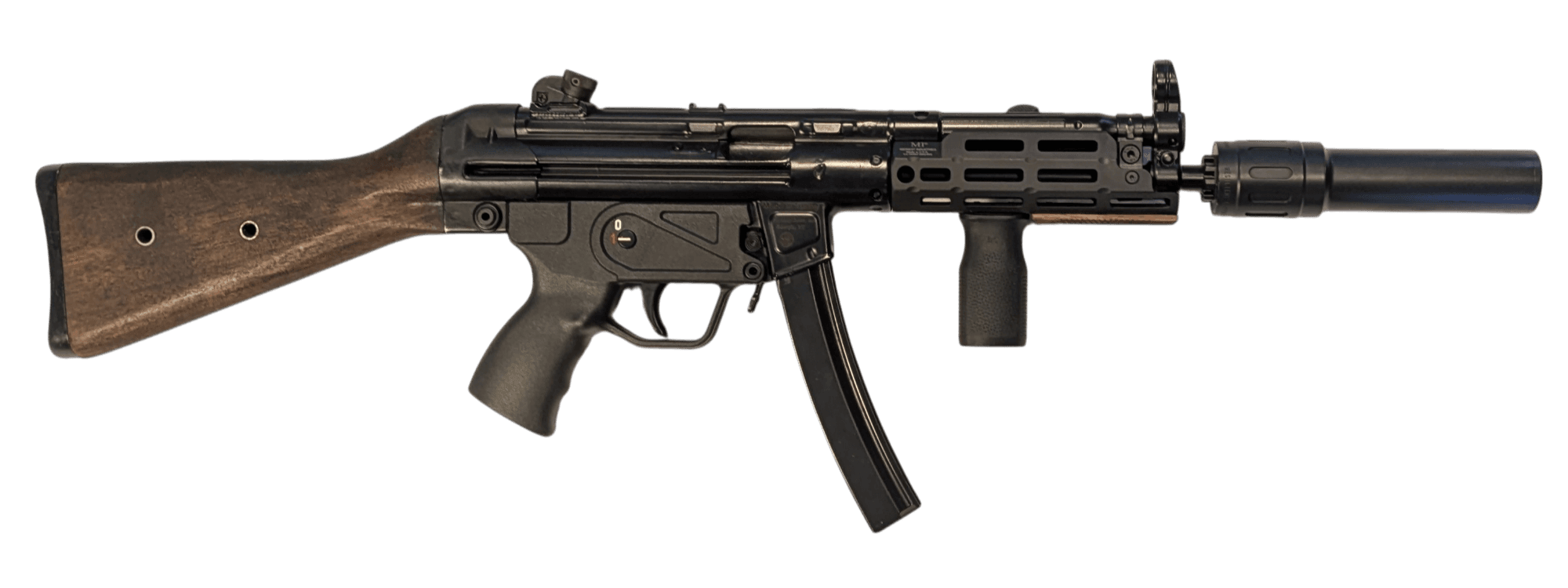
Suppressors
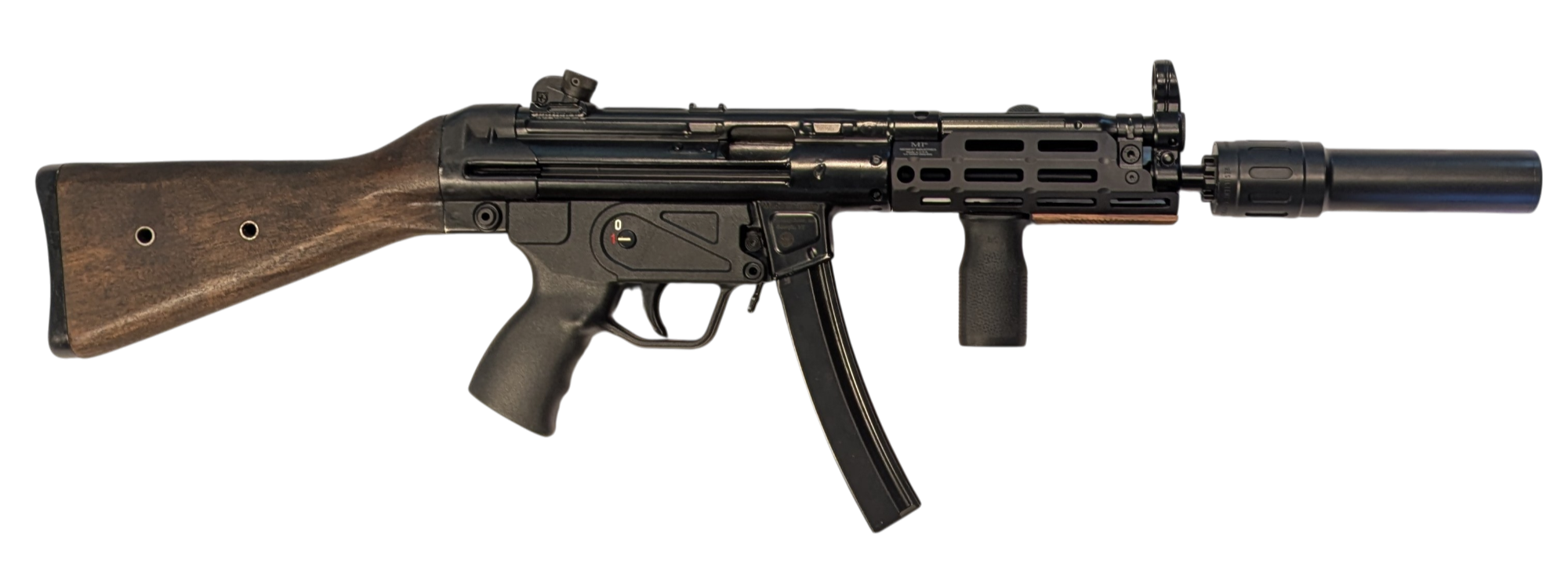
We have tried a variety of suppressors on our AP5 (MP5 Clone), big cans, small cans, high flow rate and low. They all worked comfortably. I don't want to say the platform is entirely backpressure agnostic, but our highest backpressure cans only had a modest bump in recoil and gas coming back at the shooter. The combination of a longer barrel, roller delayed action, and softer pressures of 9mm left a lot of overhead to add a larger suppressor. A high flow rate can is nice to use here, but unlike some other platforms, one can easily get away with a cheaper high back pressure can, especially if shooting semi-auto. For full auto fire, go ahead and get the low backpressure can.
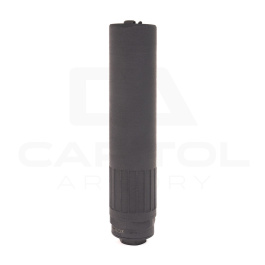
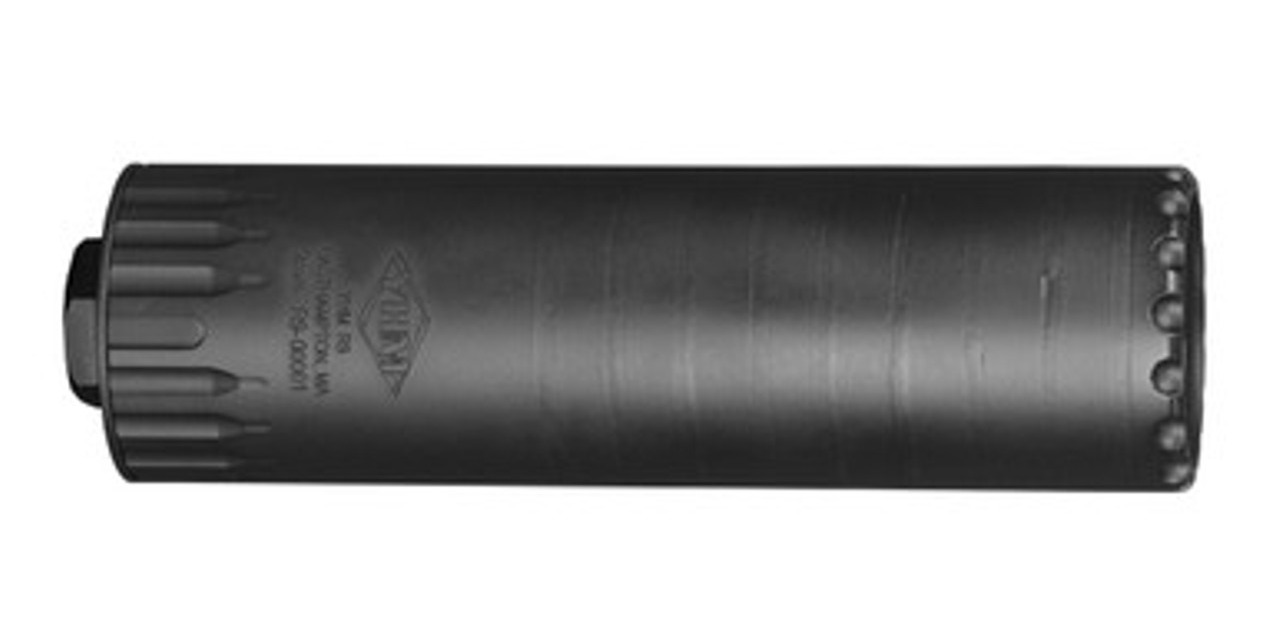
Our top choice pairing will be the CAT MOB with its industry-leading sound performance. The size is negligible on the MP5 and the reduced backpressure, while not necessary, is welcomed. Really, anything goes, pick a can that fits your size preferences, sort by quietest, and don't overthink it. Check out our Top PCCs Suppressors. list.

Locking Piece
Roller delayed, or any delayed opening mechanic, will do wonders in smoothing the forces of backpressure on your gun, but it does not make the platform immune to the harsher recoil and increased wear of a suppressor. In cases with particularly high backpressure, the MP5 and its many clones could cause "roller dents" in the receiver by having the wrong locking piece. This is mostly a risk on the MP5-K patterned firearms, and most MP5 owners will be fine with the factory internals and a suppressor.
The locking piece on an MP5 sits behind the bolt head and the locking rollers, interfacing with the two. The front of this locking piece has an angled shoulder that, through a mechanical relationship with the rollers, dictates the timing of the bolt opening. A numerically smaller shoulder will delay this opening, and a larger one opens it up sooner. This is why the MP5-K, with its shorter barrel and consequently shorter time under pressure (the bullet leaves sooner), features a 110 degree shoulder from the factory whereas a common MP5 would sport a 100 degree shoulder.
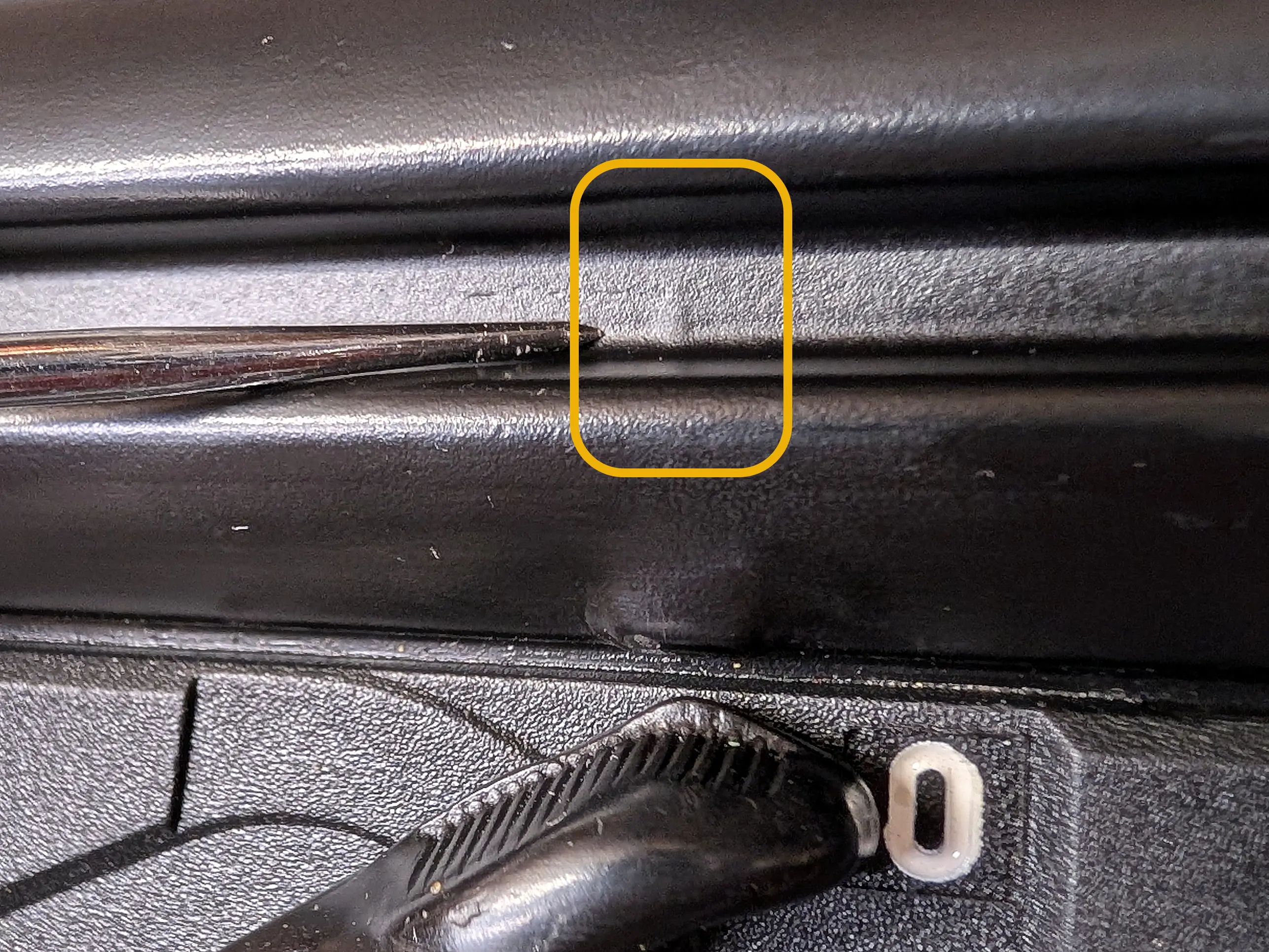
There are two common ways we will increase the time under pressure in a barrel. One, we use slower, heavier bullets like a 147 grain subsonic 9mm instead of 115 grain. Another, we add a suppressor with back pressure that keeps the pressure high as the platform waits for the bullet to leave the front of the suppressor. To nobody's surprise, many of us suppressor users are doing both. Is this an issue on the full-sized MP5 and its clones? Usually not. Most users report success with factory internals, verified by checking the receiver periodically for early signs of denting where the roller would contact the receiver. With our AP5 clone, we did need to get an 80 degree locking piece as we were seeing the dents begin to form after about 500 rounds of suppressed 147 grain. We will drop an image at the bottom of this article.
If you are suppressing an MP5-K pattern gun, you will almost certainly need to run an 80 degree locking piece. For specific questions, or user testimonials, we recommend checking out the HP PRO forums. It was a tremendous resource for use when learning to tune this iconic gun.
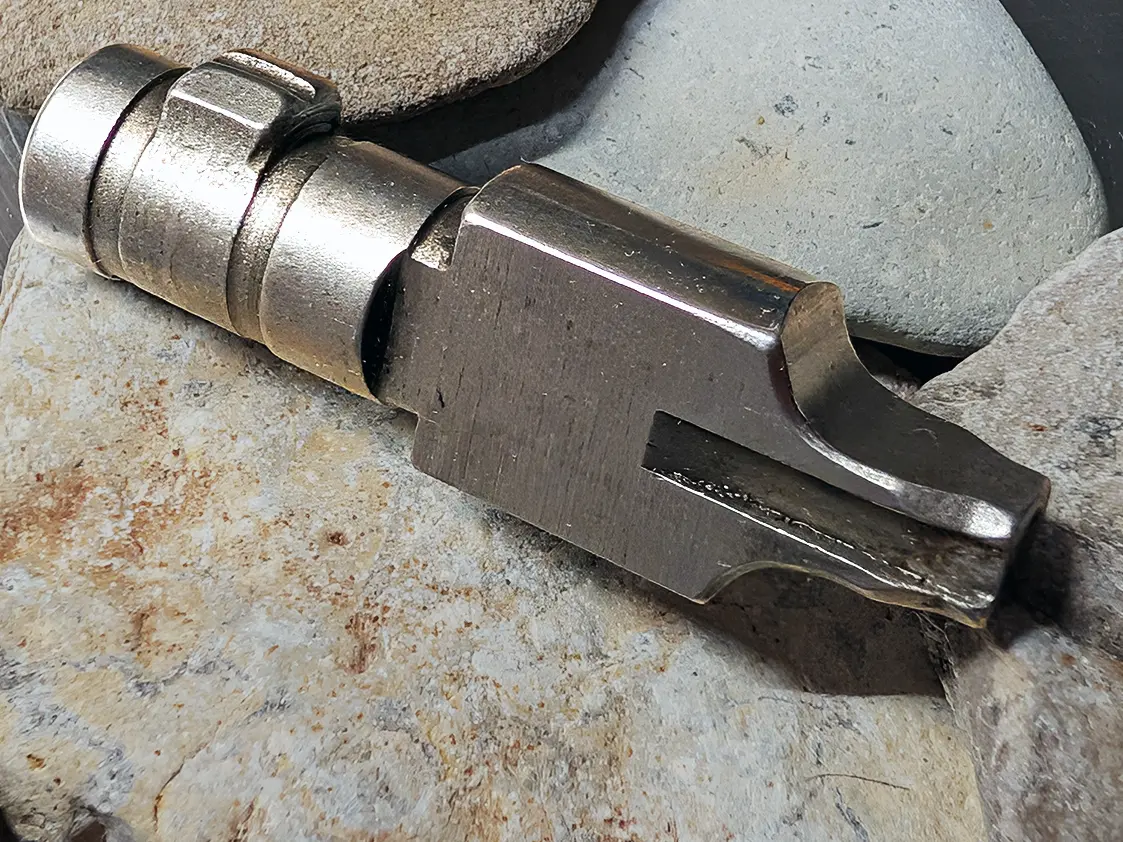
Receiver Denting
Here is the early sign of denting we mentioned above. This example is mild, and a quick Google search will yield some more visible and concerning examples. After modifying your MP5, be it new ammo, new suppressor, or new locking piece, check the receiver every few hundred rounds to inspect for this bulge.
- ForumHKPRO Forums
- Forumhttps://www.reddit.com/r/MP5/comments/e9gpqn/workbench_wednesday_locking_piece/
- YouTubeHow To Tune Your Suppressed (Super Safe) MP5K
- YouTubeHow to Suppress Your MP5-K PDW
Links above point to third-party sites. SilencerScout is not responsible for external content.