 SilencerScout
Key Info
- —
The tilting-barrel, short-recoil action is what makes pistol suppression unique — the very part that has to move is the part you are hanging weight on.
- —
Pistol calibers are friendly: 9mm, .45 ACP, and 10mm are subsonic or easily loaded subsonic, so handguns suppress quietly without exotic ammo or heavy cans.
- —
Most pistol cans need a Nielsen device (booster) to cycle a tilting-barrel host reliably.
- —
Fixed-barrel handguns can run a simpler boosterless can — and that is the same class of can a PCC wants. PCCs fire pistol calibers but behave like rifles.
What Makes a Pistol Different to Suppress
Most centerfire handguns use a short-recoil, tilting-barrel action. When the gun fires, the barrel and slide recoil locked together for a few millimeters, then the barrel tilts down, unlocks, and lets the slide cycle the action. That whole sequence is a delicately balanced event of mass, spring, and timing. Hang a suppressor off the muzzle and you add weight to the exact part that has to move and tilt so the barrel cannot build the rearward velocity it needs to unlock, and the gun short-strokes or fails to cycle. This is the problem that defines pistol suppression, and it simply does not exist on a gas rifle or a bolt gun.
The good news is the ammunition. Common pistol calibers like 9mm, .45 ACP, and 10mm are either natively subsonic or load down to subsonic easily, and their pressure is low and peaks early in a short barrel. That means a light titanium can carries very little erosion or durability risk here you do not need an exotic, heavy can to suppress a handgun well. The cost is handling: a can adds length and mass out front, so the pistol gets nose-heavy, harder to holster and conceal, and usually needs taller suppressor-height sights to clear the can.
The payoff is that a handgun is one of the easiest platforms to make genuinely quiet once you account for how it cycles. Our goal is to help you match the can to the action so the gun stays quiet, soft, and reliable, no matter the host.
ConsiderA tilting-barrel pistol has to cycle its slide — the can’s weight fights that.
ConsiderLow-pressure, often-subsonic calibers mean a light titanium can carries little risk.
Pros
Subsonic-friendly
Low pressure
Light cans
Cons
Tilting barrel fights cycling
Long & nose-heavy
Related Products
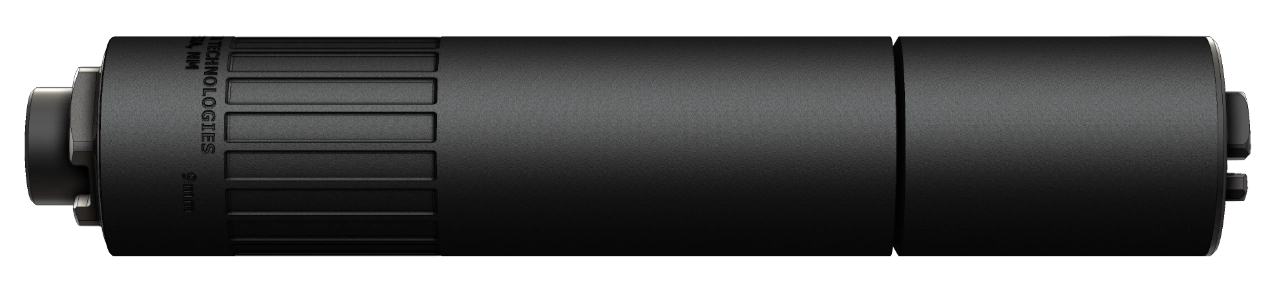

The Nielsen Device (Booster)
To solve the cycling problem, most pistol cans for tilting-barrel hosts use a Nielsen device, also called a booster or linear inertial decoupler. It is a spring-loaded piston assembly in the rear of the suppressor that briefly decouples the can's mass from the barrel during the first instant of recoil. When the gun fires, the booster lets the barrel recoil and unlock as if the can weren't there, then the spring catches the suppressor back up. The result is a host that cycles reliably even with a heavy can hanging off the muzzle.
A booster is tuned around the host. Different slides and calibers want different pistons and spring rates, so running a can across several pistols often means swapping the piston or spring to match, for example a dedicated 9mm piston versus a .45 piston. That tuning is the price of admission: the booster adds parts, adds a little length, needs cleaning so the piston doesn't carbon-lock, and the moving interface gives up a small amount of mechanical accuracy compared to a fixed mount.
The payoff is a tilting-barrel handgun that runs like it's supposed to, suppressed. Our goal is to help you match the right piston and booster to your host so the gun cycles every time, no matter the host.
ConsiderMatch the piston and spring rate to your host’s caliber and slide.
Pros
Reliable cycling on tilting-barrel hosts
Cons
More parts to maintain
Can carbon-lock
Adds length & a little accuracy risk
Boosterless (Fixed-Barrel) Suppressors
A can can skip the Nielsen device for one of two reasons, and they are worth keeping separate. The first is the host. Fixed-barrel designs, including most rimfire .22 pistols, blowback .380s, gas-delayed pistols like the HK P7, and revolvers, keep the barrel stationary through the shot. There is nothing to decouple and no cycling timing for the can's weight to disrupt, so these guns have always run a boosterless can without any drama.
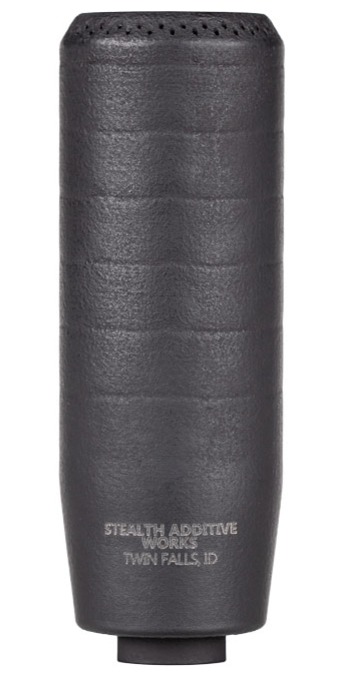
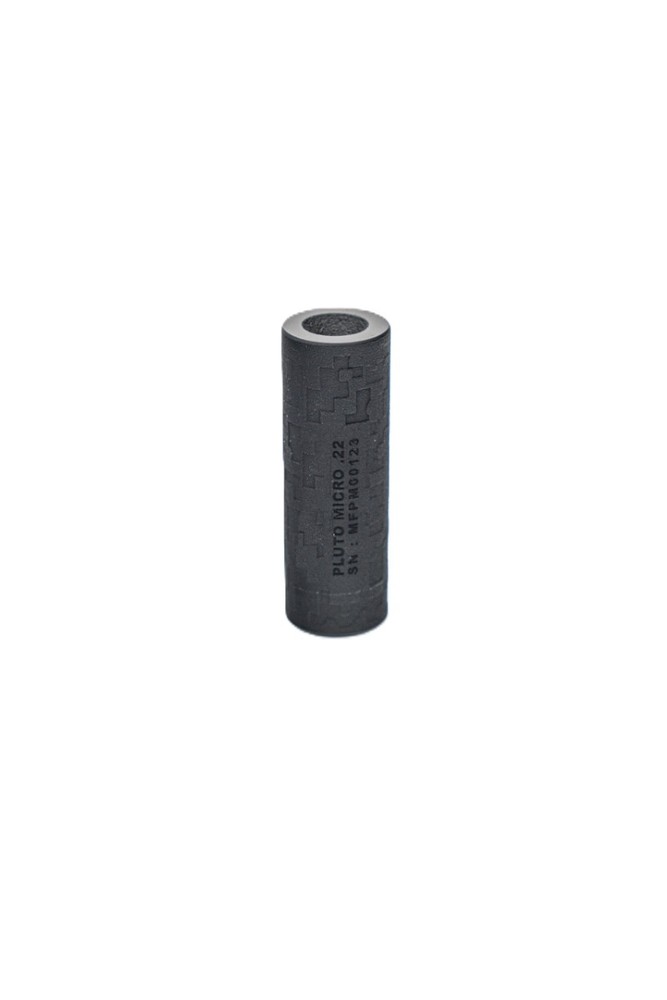
The second reason is newer and more interesting: the can is simply too light to matter. An emerging class of ultralight suppressors, many of them additively manufactured (3D-printed) from titanium, weighs so little that its mass barely registers on the slide. Thread one onto a normal tilting-barrel pistol and the short-recoil action still unlocks and cycles on time, no booster required. This is reshaping what a pistol can has to be: where a Nielsen device used to be the default, weight is becoming the design lever that lets you delete it.
Either way, a boosterless can is a different design intent, not just a booster can with the piston pulled out. It is a direct-thread or fixed-mount suppressor with no moving parts, which makes it simpler.
The payoff is the simplest, lightest way to suppress a handgun, and increasingly that path is open even on tilting-barrel hosts. If you are chasing low weight, confirm a given ultralight can actually cycles your specific pistol before you commit. Our goal is to help you tell when you can drop the booster and pair the host with a can that keeps things light and quiet, no matter the host.
ConsiderFixed-barrel hosts include rimfire pistols, blowback .380s, gas-delayed designs, and revolvers (with a cylinder-gap caveat).
Pros
Simple
Lighter
No spring to tune
Cons
Louder
Does not cycle reliable on all handguns
Related Products
A Note on Pistol-Caliber Carbines
Pistol-caliber carbines fire a handgun round, but they run it through a fixed barrel and an action braced in your shoulder, so suppressing one has far more in common with a rifle than with a pistol. For that reason we cover the PCC in depth in the Rifles article rather than here. The point worth making on the pistol side is the can: a PCC is a fixed-barrel host, so it does not need a booster, and you can mount either of two classes of suppressor on it. A dedicated pistol can will run on a PCC with its booster locked out by a fixed spacer; a rifle-pattern can rated for the caliber will run on it as well.
Those two classes are often interchangeable on a fixed-barrel PCC, but they are built with distinct design intent, one is tuned around a tilting-barrel pistol's recoil cycle, the other around a fixed barrel and a higher volume of fire. Either can quiet the gun; pick the one that matches how you actually use the host. Our goal is to help you match the suppressor and the action type so the gun stays quiet, soft, and reliable, no matter the host.
ConsiderOn a fixed-barrel PCC, lock the booster out with a spacer or run a fixed mount.