 SilencerScout
Jaguar Silencers CAF556
5.56 suppressor

SPECS ON THE BOX
Showing specs for: CAF556 H
Manufacturer
Features
Construction
Sound
119.5
LIAeq100ms (dB)
Shooter's ear · 14.5" AR-15 · 5.56 Lake City M193
Backpressure
Not yet tested
Metric TBD
Stand-in — not yet defined
Flash
Not yet tested
Metric TBD
Stand-in — not yet defined
Add to Gauge
SCOUT REPORT
SilencerScout Sound Test
Our core performance metric. If this is your first time exploring our data, read our sound metering methodology to understand what these numbers are telling you. Every configuration is metered at two positions and both are shown side by side: SE (shooter's ear) and ML (muzzle, left side). Metered August 25, 2026.
A gunshot recorded on a sound meter is a pressure curve that spikes and decays over milliseconds. Peak decibels captures only the tallest point on that curve, ignoring how long the pressure stays elevated and which frequencies carry the energy. LIAeq100ms takes the whole curve, applies an A-weighting filter to approximate how the human ear responds across frequencies, then integrates the impulse energy over a fixed 100-millisecond window. The result is a single number: the level of a steady, continuous sound that would deliver the same A-weighted energy to your ear. LIAeq100ms is our leading metric. Peak decibels and impulse are shown alongside it for context.
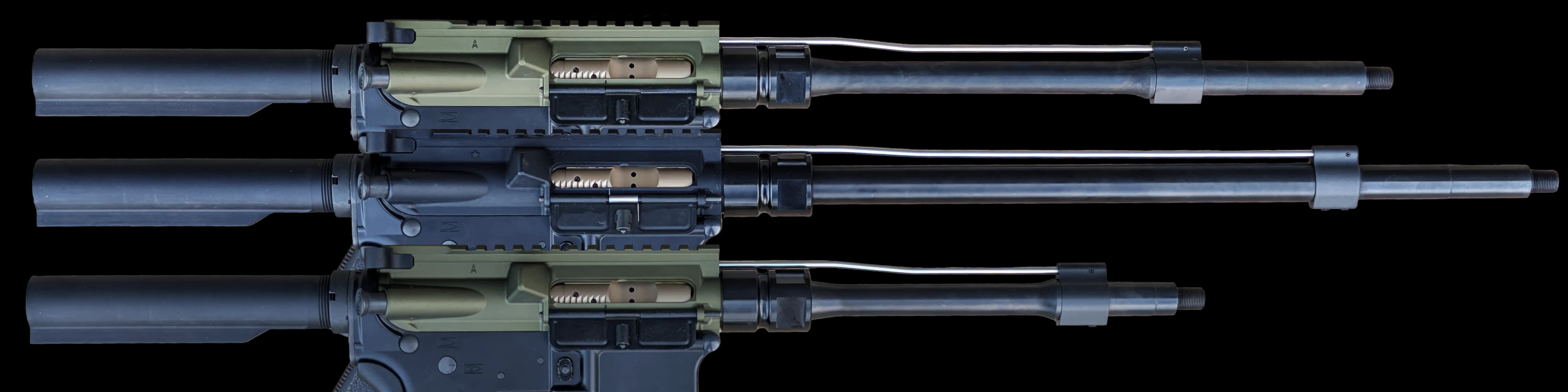
5.56 Lake City M193 — AR-15 barrel-length sweep
| Metric | 10.5" AR-155.56 Lake City M193 | 14.5" AR-155.56 Lake City M193 | 18" AR-155.56 Lake City M193 | |||
|---|---|---|---|---|---|---|
| SE | ML | SE | ML | SE | ML | |
| LIAeq100ms (dB) | 119 | 117.5 | 119.5 | 115.6 | 115.2 | 115.2 |
| Peak (dB) | 150.4 | 147.3 | 148.7 | 144.8 | 145.4 | 144 |
| Peak (dBA) | 147.8 | 141.6 | 140 | 139 | 136.3 | 137.7 |
| Impulse (Pa·ms) | 78.3 | 102.6 | 80 | 77.4 | 57.8 | 72.4 |
Results
This short but high volume suppressor presents a strong and predictable muzzle left sound signature. Tracking from short to long barrel lengths we can see a strong improvement in sound reduction at the muzzle going from a 10.5" barrel to a 14.5", at the same time as the shooters ear number get's louder suggesting the can was punished by the longer dwell time. This trend then inverts itself going from 14.5" to 18" with the shooters ear dropping dramatically and the muzzle left reading beginning to plantae. At 18" both ML/SE readings are coming in line with each other and if you jump forward to our efficiency metrics you can see why these strong sound numbers in the 16"-20" barrel length range paired with the compact profile make this a strong pairing with a long 16"+ semi-auto host.
About the Test Platform
Suppressors are tested across a full range of barrel lengths and gas systems. See our article on the test platforms for full detail behind our test configurations.
The AR-15 hosts behind our 5.56 tests — write-up not yet published.
First Round Pop
On the first shot, unburnt propellant mixes with the oxygen sitting inside the suppressor and burns a second time in the can. That secondary combustion often makes the round louder than the ones behind it. Once that oxygen is burnt off, follow-up shots settle into a quieter, steadier number. This is commonly called first round pop, or FRP. Because a hunter, marksman or defensive shooter may only ever fire one or two rounds, we isolate the first-round data rather than bury it in the average, and present it here. The magnitude of first round pop varies substantially across designs.
Shooter's ear · LIAeq100ms (dB)
| Host | First round | Subsequent | Pop |
|---|---|---|---|
| 10.5" AR-155.56 Lake City M193 | 119.6 | 119 | +0.6 |
| 14.5" AR-155.56 Lake City M193 | 118.8 | 119.5 | -0.7 |
| 18" AR-155.56 Lake City M193 | 116.6 | 115.2 | +1.4 |
Backpressure
How much a suppressor extends the pressure event inside the barrel and operating system. Higher means more gas driven back at the shooter and the action, increasing blowback and wear on your firearm.
Added Pressure to Opperating System
+25%125 pa·ms
Efficiency Metrics
These metrics nest raw decibel performance in the important context of how well a suppressor performs for its size.
Quoted off 14.5" AR-15 · 5.56 Lake City M193. Each value is dB reduction ÷ the listed dimension, at shooter's ear (SE) and muzzle left (ML).
Per cubic inch (dB/in³)
| Suppressor | SE | ML |
|---|---|---|
| CAF556 H · thisestimated volume | 1.4 | 2.09 |
| CAF556 THestimated volume | 1.4 | 2.09 |
Nothing in the world is free. It is clear the solid numbers for this suppressor are driven by a high internal volume that is driven up by it's large outer diameter. This suppressor starts falling behind some other modern designs who use more complicated internal geometry. I speculate some of the suppressors with similar volume use more material to drive better volumetric efficiency where this can uses a simple and lean baffle stack to rely on high camber space over heavier but efficient baffle stacks. This is definitely not a knock against the design, but it elucidates some of the design decisions used to drive performance.
Per ounce (dB/oz)
| Suppressor | SE | ML |
|---|---|---|
| CAF556 H · this | 1.46 | 2.17 |
| CAF556 TH | 2.53 | 3.78 |
This should be the headline metric for this suppressor. No other suppressor in the test suite is able to present shooters ear numbers this strong at just 6.61oz in it's titanium suppressor. This is why I find myself using this suppressor on my 16" mid range rifle so often, because it just disappears on the end of a rifle.
Per inch (dB/in)
| Suppressor | SE | ML |
|---|---|---|
| CAF556 H · this | 3.72 | 5.55 |
| CAF556 TH | 3.72 | 5.55 |
Another telling metric that speaks to this suppressor's low profile. Length and weight are the reason you are looking at this suppressor over some of Jaguar's longer offering and the sound numbers are competitive enough that many consumers might not need to consider a longer suppressor.
Tuning overhead
This metric captures the tuning overhead of the suppressor when paired with sound-mitigating part choices. A valuable metric for understanding what overhead you, the end user, have to push the performance envelope. Both rows are the same barrel and the same load. Only the parts used change.
How we tuned
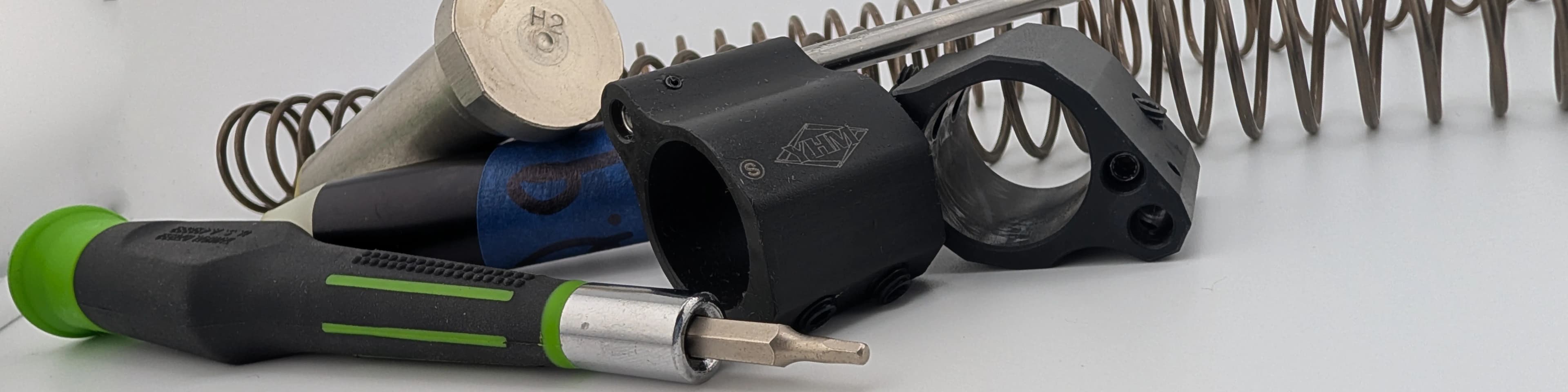
Tuned at the gas port with a YHM Suppressor Gas Block. Buffer weight increased from H0 (2.9oz) to H2 (4.6oz)
| Metric | 14.5" AR-155.56 Lake City M193 | 14.5" AR-15 Tuned5.56 Lake City M193 | DifferenceTuned − untuned | |||
|---|---|---|---|---|---|---|
| SE | ML | SE | ML | SE | ML | |
| LIAeq100ms (dB) | 119.5 | 115.6 | 116.1 | 116.1 | -3.4 | +0.5 |
| Peak (dB) | 148.7 | 144.8 | 148.9 | 144.8 | +0.2 | +0 |
| Peak (dBA) | 140 | 139 | 144.7 | 140.9 | +4.7 | +1.9 |
| Impulse (Pa·ms) | 80 | 77.4 | 55.6 | 83.5 | -24.4 | +6.1 |
Ammo test
| Metric | 14.5" AR-155.56 Lake City M193 | 14.5" AR-155.56 Lake City M855 | 14.5" AR-155.56 Black Hills OTM 77gr | |||
|---|---|---|---|---|---|---|
| SE | ML | SE | ML | SE | ML | |
| LIAeq100ms (dB) | 119.5 | 115.6 | 116.1 | 116.1 | 119.2 | 114.5 |
| Peak (dB) | 148.7 | 144.8 | 148.9 | 144.8 | 149.7 | 143.8 |
| Peak (dBA) | 140 | 139 | 144.7 | 140.9 | 141.4 | 137.9 |
| Impulse (Pa·ms) | 80 | 77.4 | 55.6 | 83.5 | 75.4 | 64.6 |
No image available 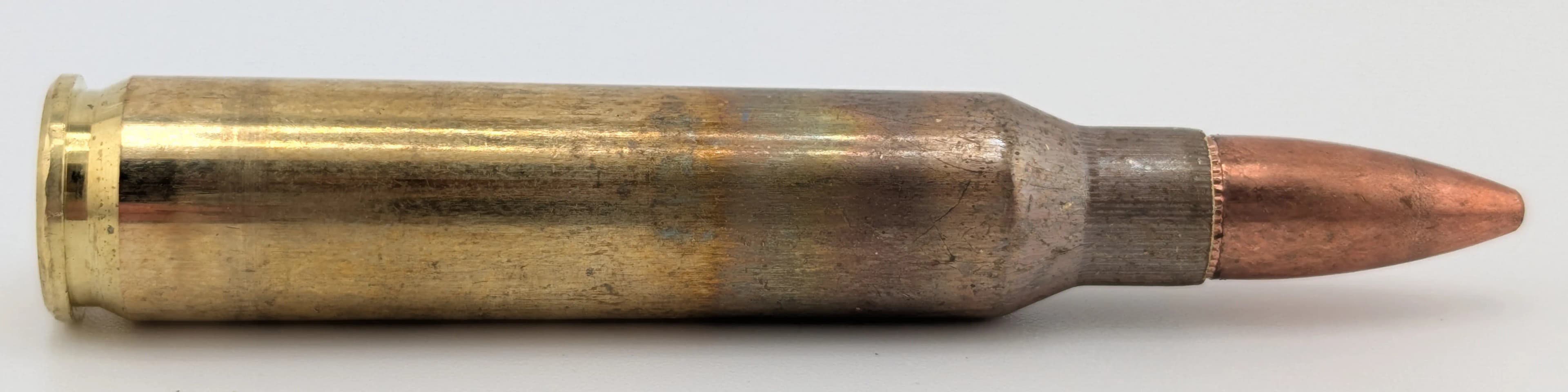 | No image available 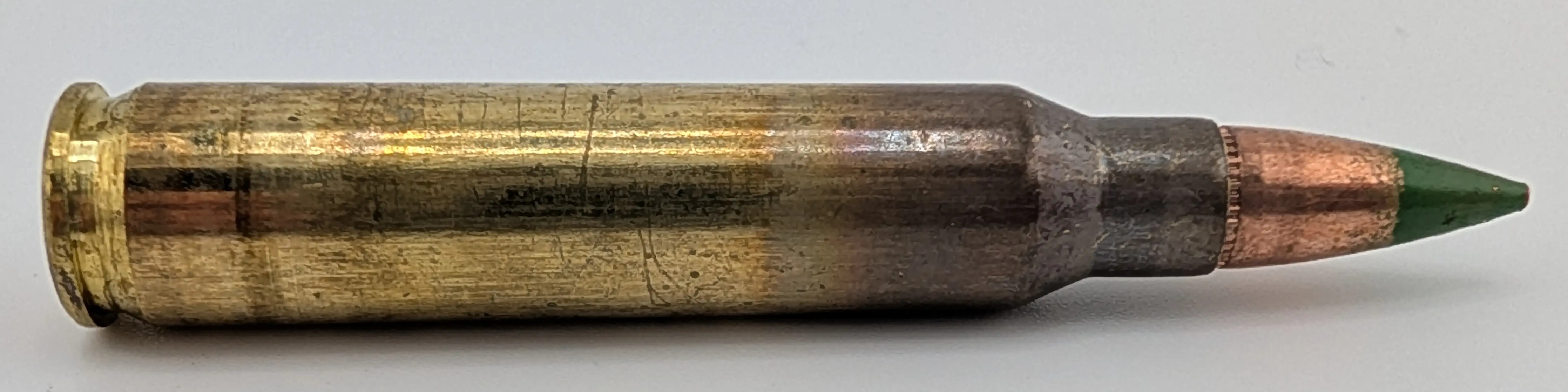 | No image available  | ||||
Check Price
Links above point to third-party sites. SilencerScout does not control their content and earns no affiliate commission from these review links.