 SilencerScout
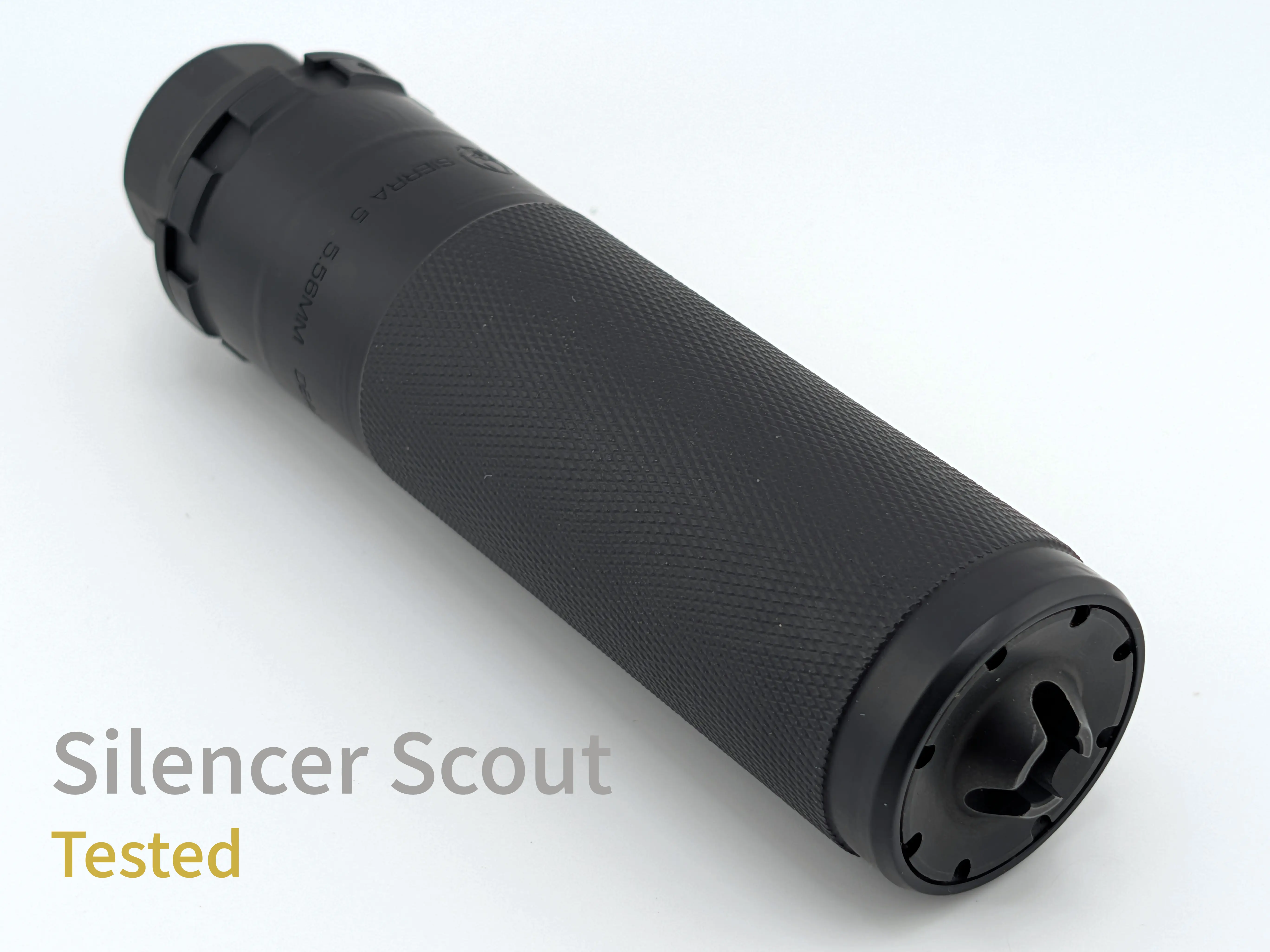
Dead Air Sierra 5
5.56 suppressor
Sound
124.25
LIAeq100ms (dB)
Shooter's ear · 14.5" AR-15 · 5.56 Lake City M193
Backpressure
Not yet tested
Metric TBD
Stand-in — not yet defined
Flash
Not yet tested
Metric TBD
Stand-in — not yet defined
SPECS ON THE BOX
Showing specs for: Sierra 5 Xeno
Manufacturer
Features
Construction
SCOUT REPORT
About this Suppressor
SilencerScout Sound Test
Our core performance metric. If this is your first time exploring our data, read our sound metering methodology to understand what these numbers are telling you. Every configuration is metered at two positions and both are shown side by side: SE (shooter's ear) and ML (muzzle, left side). Metered July 28, 2026.
A gunshot recorded on a sound meter is a pressure curve that spikes and decays over milliseconds. Peak decibels captures only the tallest point on that curve, ignoring how long the pressure stays elevated and which frequencies carry the energy. LIAeq100ms takes the whole curve, applies an A-weighting filter to approximate how the human ear responds across frequencies, then integrates the impulse energy over a fixed 100-millisecond window. The result is a single number: the level of a steady, continuous sound that would deliver the same A-weighted energy to your ear. LIAeq100ms is our leading metric. Peak decibels and impulse are shown alongside it for context.
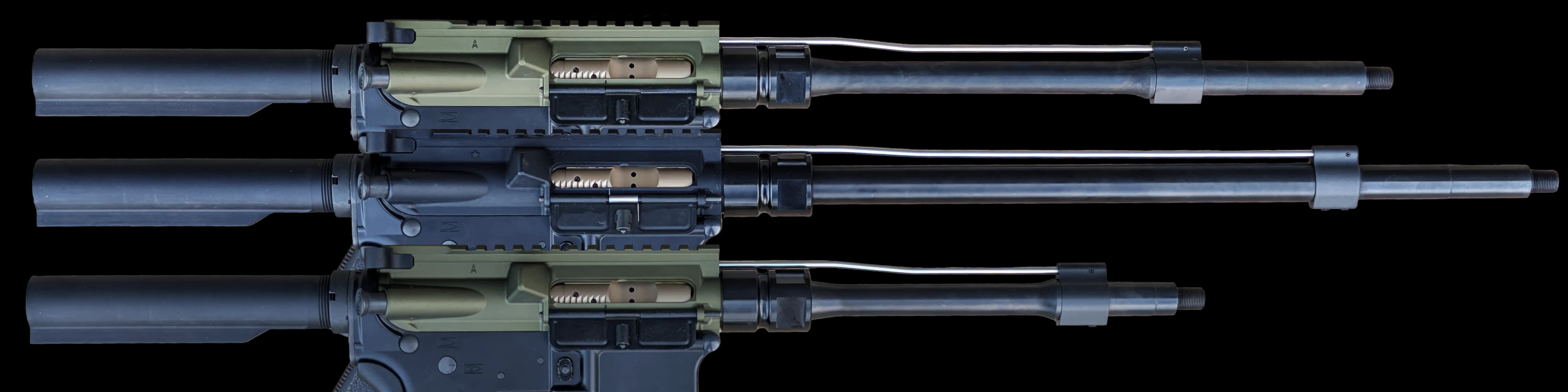
5.56 Lake City M193 — AR-15 barrel-length sweep
| Metric | 10.5" AR-155.56 Lake City M193 | 14.5" AR-155.56 Lake City M193 | 18" AR-155.56 Lake City M193 | |||
|---|---|---|---|---|---|---|
| SE | ML | SE | ML | SE | ML | |
| LIAeq100ms (dB) | 121.36 | 122.02 | 124.25 | 118.46 | 119.82 | 117.44 |
| Peak (dB) | 148.21 | 149.6 | 153.32 | 146.14 | 145.01 | 144.22 |
| Peak (dBA) | 146.84 | 144.48 | 144.27 | 141.49 | 141.35 | 140.16 |
| Impulse (Pa·ms) | 62 | 83.5 | 92.65 | 53.24 | 61.52 | 52.62 |
Results
Dead Air's first entry into the 5.56 market, this traditional high backpressure can is a solid performer at the muzzle. The Sierra 5 is good at keeping noise out of the environment around the shooter, making it a great choice if you shoot indoors or around other shooters. The strong muzzle performance comes at the cost of elevated readings at the shooter's ear, above other suppressors in its class. This elevated shooter's ear reading is par for the course with a high backpressure design, however, this can be curbed with some simple tuning, and we encourage you to check out the tuning numbers below. Once your host firearm is tuned up a bit, this can begins to shine, with strong sound numbers, a slim, lightweight design, and a very high temp rating for full auto use. Plus, it ships with your choice of Xeno or KeyMo and gets a few style points for having knurling.
About the Test Platform
Suppressors are tested across a full range of barrel lengths and gas systems. See our article on the test platforms for full detail behind our test configurations.
The AR-15 hosts behind our 5.56 tests — write-up not yet published.
First Round Pop
On the first shot, unburnt propellant mixes with the oxygen sitting inside the suppressor and burns a second time in the can. That secondary combustion often makes the round louder than the ones behind it. Once that oxygen is burnt off, follow-up shots settle into a quieter, steadier number. This is commonly called first round pop, or FRP. Because a hunter, marksman or defensive shooter may only ever fire one or two rounds, we isolate the first-round data rather than bury it in the average, and present it here. The magnitude of first round pop varies substantially across designs.
Shooter's ear · LIAeq100ms (dB)
| Host | First round | Subsequent | Pop |
|---|---|---|---|
| 10.5" AR-155.56 Lake City M193 | 121.85 | 121.36 | +0.49 |
| 14.5" AR-155.56 Lake City M193 | 125.38 | 124.25 | +1.13 |
| 18" AR-155.56 Lake City M193 | 120.46 | 119.82 | +0.64 |
Interesting Metrics
Raw dB reduction ignores what the reduction cost you. These ratios divide it by the three things you actually carry: weight, length, and the internal volume the design needs to do its work. Two cans that meter alike but weigh half an ounce apart stop reading as equals.
14.5" AR-15 · 5.56 Lake City M193 · shooter's ear · 11.99 dB reduction
| dB reduction | Value |
|---|---|
| Per ouncedB/oz | 1.11 |
| Per inchdB/in | 2.46 |
| Per cubic inchdB/in³ · estimated volume | 1.65 |
Tuning overhead
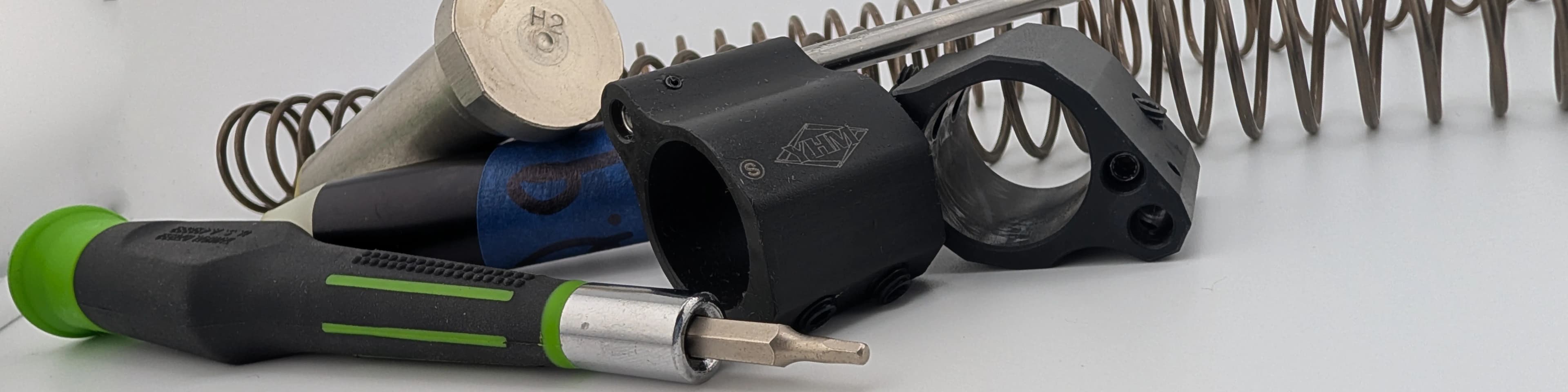
This metric captures the tuning overhead of the suppressor when paired with sound-mitigating part choices. A valuable metric for understanding what overhead you, the end user, have to push the performance envelope. Both rows are the same barrel and the same load. Only the parts used change.
How we tuned
Tuned with YHM Suppressor Gas Block featuring a 0.061" restricted orifice. Lower tuned with standard power buffer spring an 4.6oz H2 buffer.
| Metric | 14.5" AR-155.56 Lake City M193 | 14.5" AR-15 Tuned5.56 Lake City M193 | DifferenceTuned − untuned | |||
|---|---|---|---|---|---|---|
| SE | ML | SE | ML | SE | ML | |
| LIAeq100ms (dB) | 124.25 | 118.46 | 122.07 | 119.78 | -2.18 | +1.32 |
| Peak (dB) | 153.32 | 146.14 | 152.09 | 146.85 | -1.23 | +0.71 |
| Peak (dBA) | 144.27 | 141.49 | 147.96 | 142.37 | +3.69 | +0.88 |
| Impulse (Pa·ms) | 92.65 | 53.24 | 72.83 | 55.64 | -19.82 | +2.4 |
Ammo test
| Metric | 14.5" AR-155.56 Lake City M193 | 14.5" AR-155.56 Lake City M855 | 14.5" AR-155.56 Black Hills OTM 77gr | |||
|---|---|---|---|---|---|---|
| SE | ML | SE | ML | SE | ML | |
| LIAeq100ms (dB) | 124.25 | 118.46 | 124.45 | 117.79 | 124.09 | 116.67 |
| Peak (dB) | 153.32 | 146.14 | 152.02 | 145.69 | 151.24 | 144.66 |
| Peak (dBA) | 144.27 | 141.49 | 144.68 | 141.66 | 143.7 | 139.31 |
| Impulse (Pa·ms) | 92.65 | 53.24 | 102.29 | 50.72 | 89.09 | 42.54 |
No image available 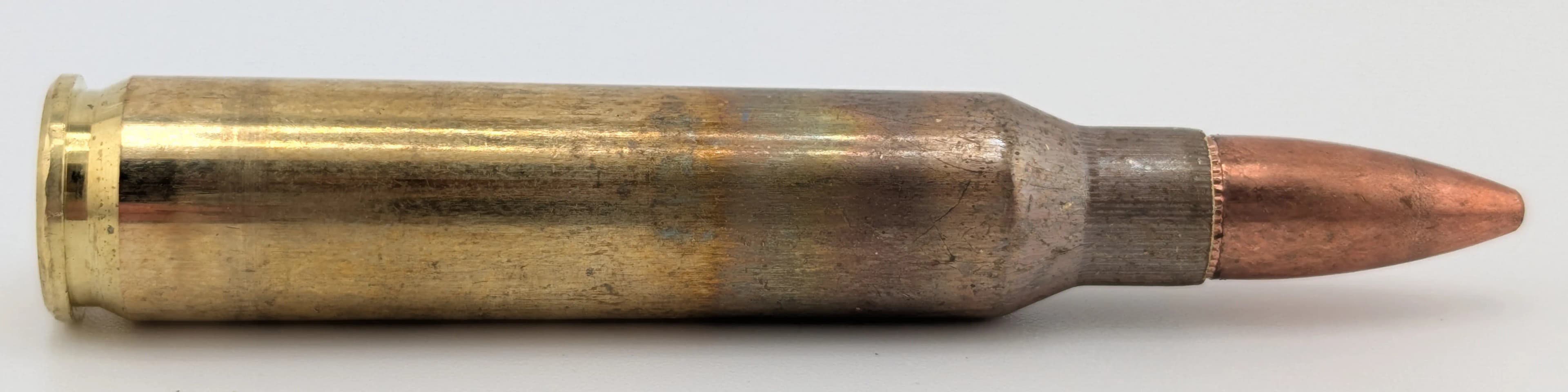 | No image available 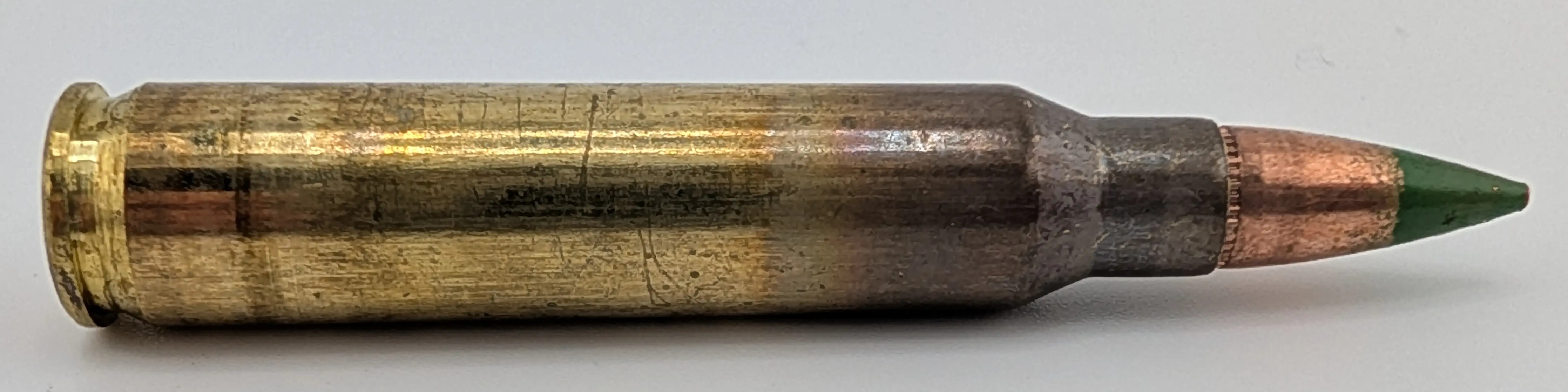 | No image available 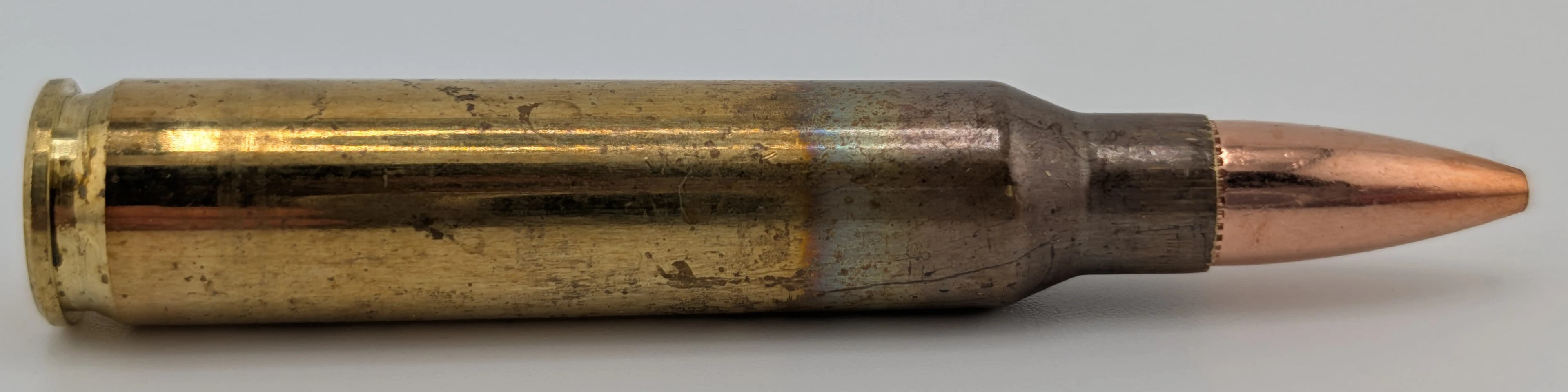 | ||||
Check Price
Links above point to third-party sites. SilencerScout does not control their content and earns no affiliate commission from these review links.