 SilencerScout
Suppressors
The 300 Blackout fits through the most common suppressor bore size on the market: .30 cal. A fun bit of trivia: many budget 300 Blk loads simply seat a .308 bullet in a 300 Blk casing, which means virtually any .30 cal can will handle the round just fine.
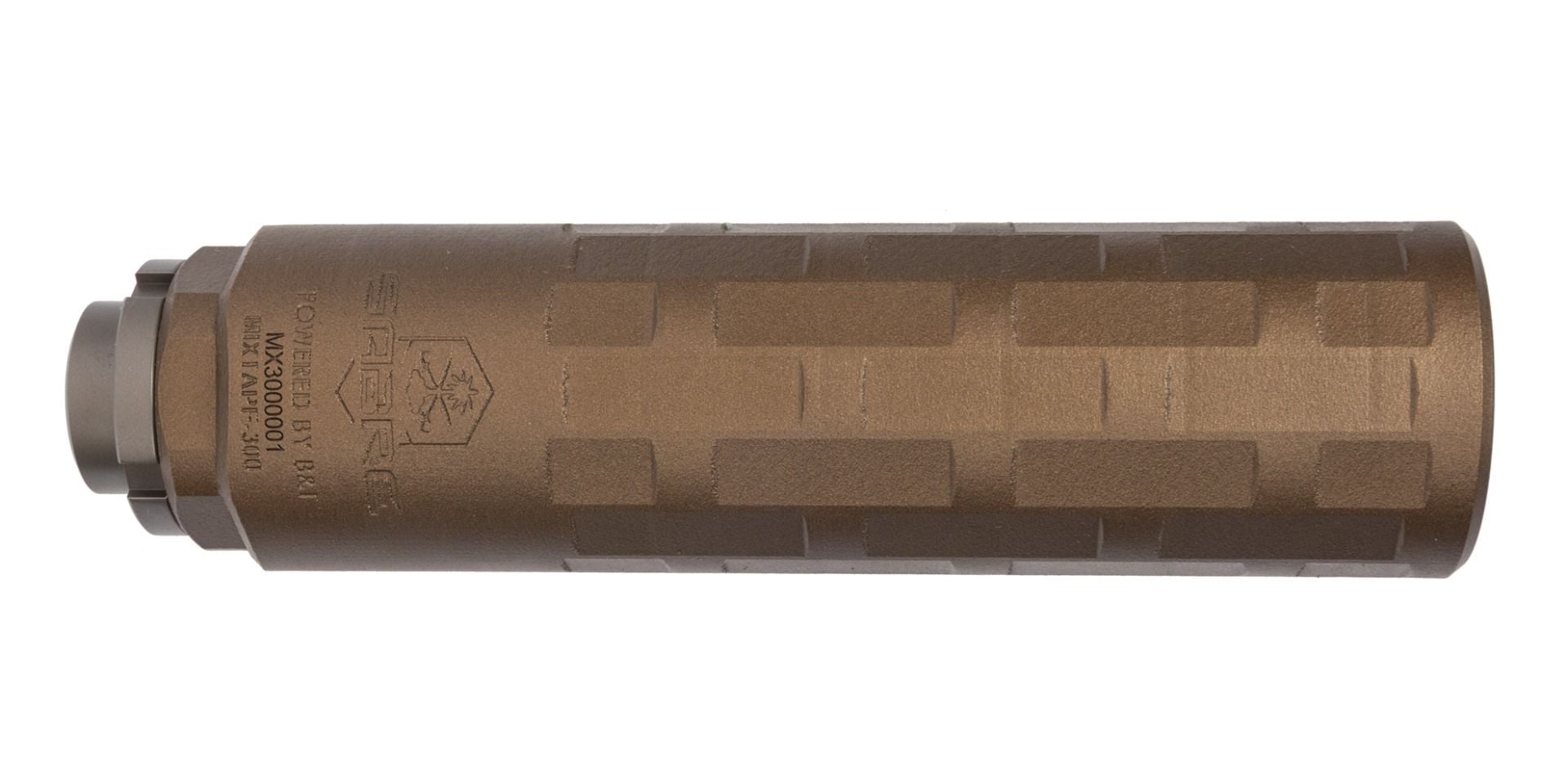
Relative to a typical .30 cal cartridge, the 300 Blk runs at much lower pressures. As a result, a category of purpose-built 300 Blk cans has emerged, designed to manage the low pressures of subsonic loads while not over-gassing your rifle when you swap to higher-pressure supers. Notable mentions include the Q series of 300 Blk cans, the AAC 300-SD, PSA Mixtape 300, and the Ridgeback 300. Purpose-built for the most popular suppression cartridge, any of these will give you the right tool for the job.
If you run a high-powered hunting rifle and want one can to handle everything, most high-backpressure .30 cal suppressors will do the job decently. The one category to avoid is super low-backpressure cans like the Huxwrx Flow 762. It's an excellent suppressor for semi-auto .308, but many 300 Blk hosts need a bit of backpressure to cycle reliably on subsonic ammo without significant modification.
Gas Block
The easiest way to manage two loads with wildly different pressure profiles, subsonic and supersonic, is to control the amount of gas moving through the gas system. An adjustable gas block opens or restricts the gas port on the barrel, which moderates the gas used to cycle the action. Without a way to tune this, you end up with a complicated matrix of outcomes: a balanced rifle running supers unsuppressed, an under-gassed rifle running subs unsuppressed, a balanced rifle running suppressed subs, and an over-gassed rifle running suppressed supers. Read that twice. It's a lot to digest. The short version: if you want to run subs and supers, suppressed and unsuppressed, you need an adjustable gas system.
Our favorite solution is the Riflespeed gas block. A large steel sleeve rotates by hand to modulate the gas port opening. It's easy to use and resists carbon lockup thanks to its oversized adjustment mechanism. It also comes with optional extensions for manipulation when tucked under a handguard. Check out their fitment tool to see what lengths will work with your barrel and handguard of choice. You will see a similar system deployed on the infamous Q honey badger.
Other, more affordable options include the classic Allen key adjustable gas block. These get the job done, and offer essentially infinite adjustment range. The tradeoff is that the Allen key interface tends to gum up with carbon over time, making adjustments harder and the set screw more prone to stripping.
Buffers and Springs
A little Physics 101 helps here. Force = Mass x Acceleration. If gas backpressure drives acceleration, mass can be managed by changing the buffer weight. Increase the buffer weight and you delay the opening of the bolt. As the bolt stays closed longer, pressure in the barrel drops naturally. Lower pressure yields slower bolt speed, less felt recoil, and less backpressure. It's a cheap and easy way to tune a rifle.
The drawback to buffer tuning is that it's a semi-permanent adjustment. Switch from subs to supers and you'll need to rebalance to get clean ejection. It also changes the cyclic rate: heavier buffers produce a slower, chunkier feel. Not necessarily a bad thing, just another variable in the equation.
That said, this can be a great solution for shooters who primarily run suppressed supers and want to bridge the gap to subs without the risk of an adjustable gas block sitting in the wrong position at the wrong time. Buffer tuning is common on duty guns for exactly this reason.
Gas Mitigating Charging Handle
Touted as a simple and critical upgrade by some, and a cheap marketing gimmick by others, the gas-busting charging handle attracts plenty of controversy online. The AR platform leaks gas from the receiver at the seams between the charging handle and the receiver itself. The gas-mitigating charging handle attempts to seal that gap, or at least redirect the gas away from your face.
Our take is that it's not a meritless tool. It does something real. We just think your money is better spent on the parts covered elsewhere in this article. That said, we run one on most of our AR-15s, and it's the least intrusive, simplest upgrade on this list. Our ideal AR-15 build will include one.
Bolt Carrier
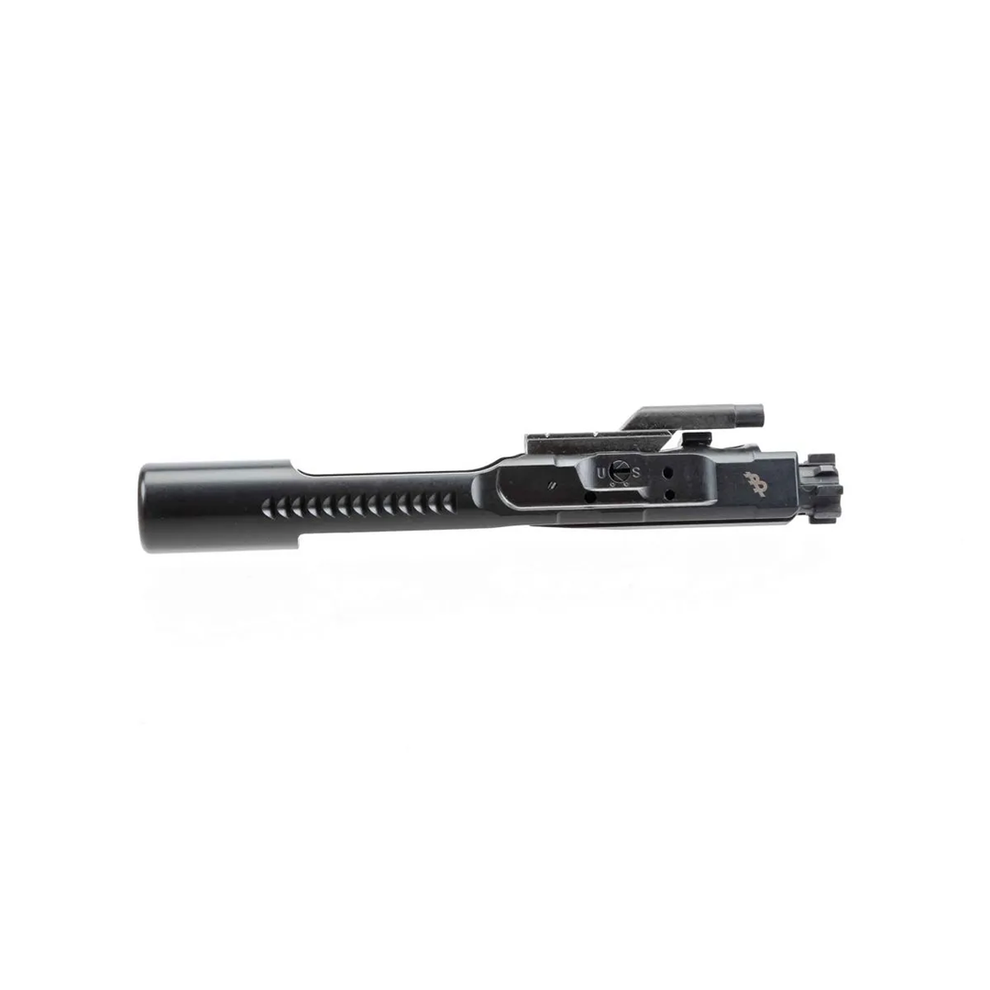
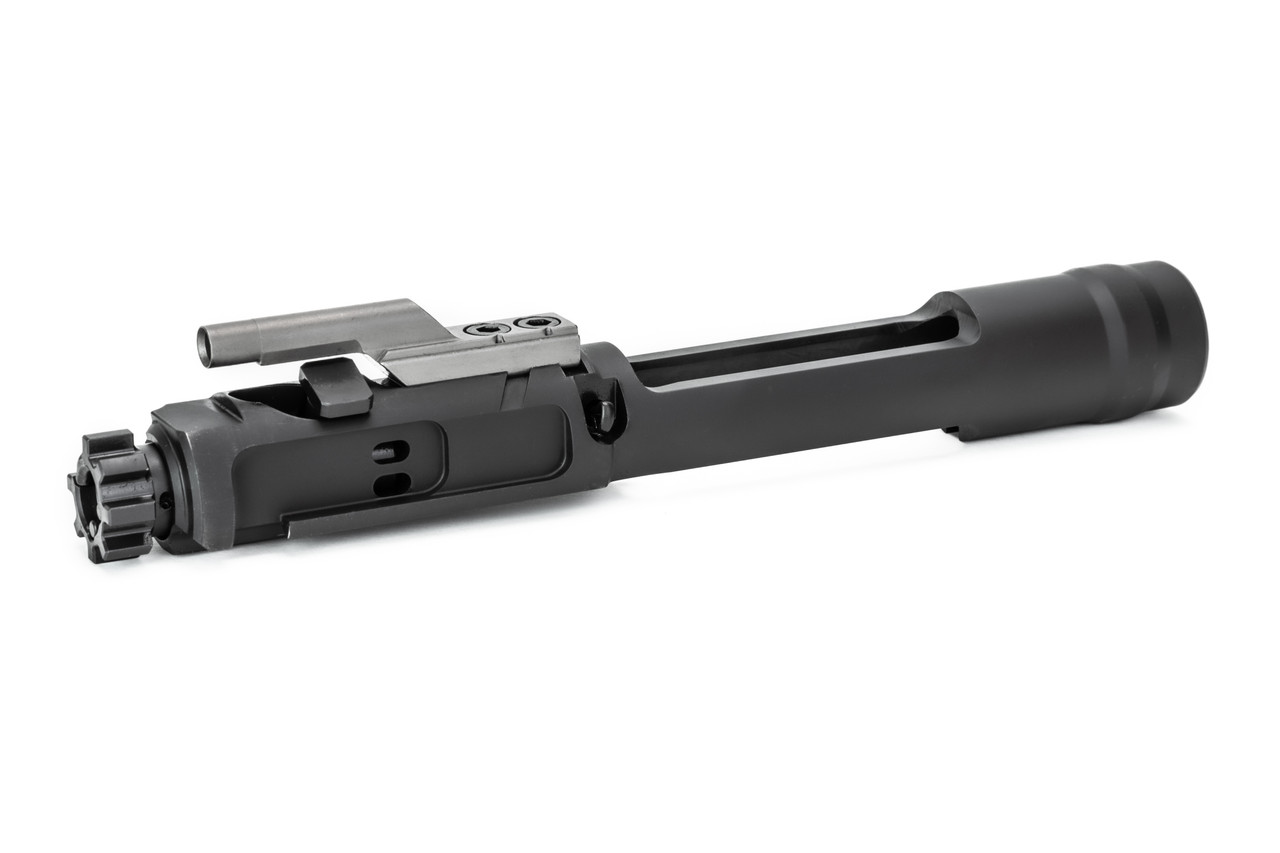
Feeling lazy? Like the idea of slowing the bolt down but don't want to deal with gas block installation? The Bootleg adjustable BCG chokes the gas off at the gas key on the carrier instead of at the gas port. It drops straight in without pulling the gun apart and adjusts with a simple screwdriver. This effectively slows the BCG and addresses cycling issues, but it still discharges high-pressure gas from the gas tube out the chamber where an adjustable gas block would stop it entirely. Compared to the adjustable gas block, it wins on ease of use but does nothing meaningful for port pop. For the gunsmith-averse shooter, though, reliable cycling may be all they need.
Say you have an adjustable gas block and a well-tuned rifle. There will still be some gas venting out the gas tube into the chanber. Unrelated to the Bootleg, the down-venting bolt from KAK and the pocketed vent from Griffin Armament redirect that small amount of extra gas away from your face and into the lower receiver. It's a cool trick for squeezing out a few extra decibels of sound performance at the shooter's ear. The main downside is that the gun will get dirty faster.